
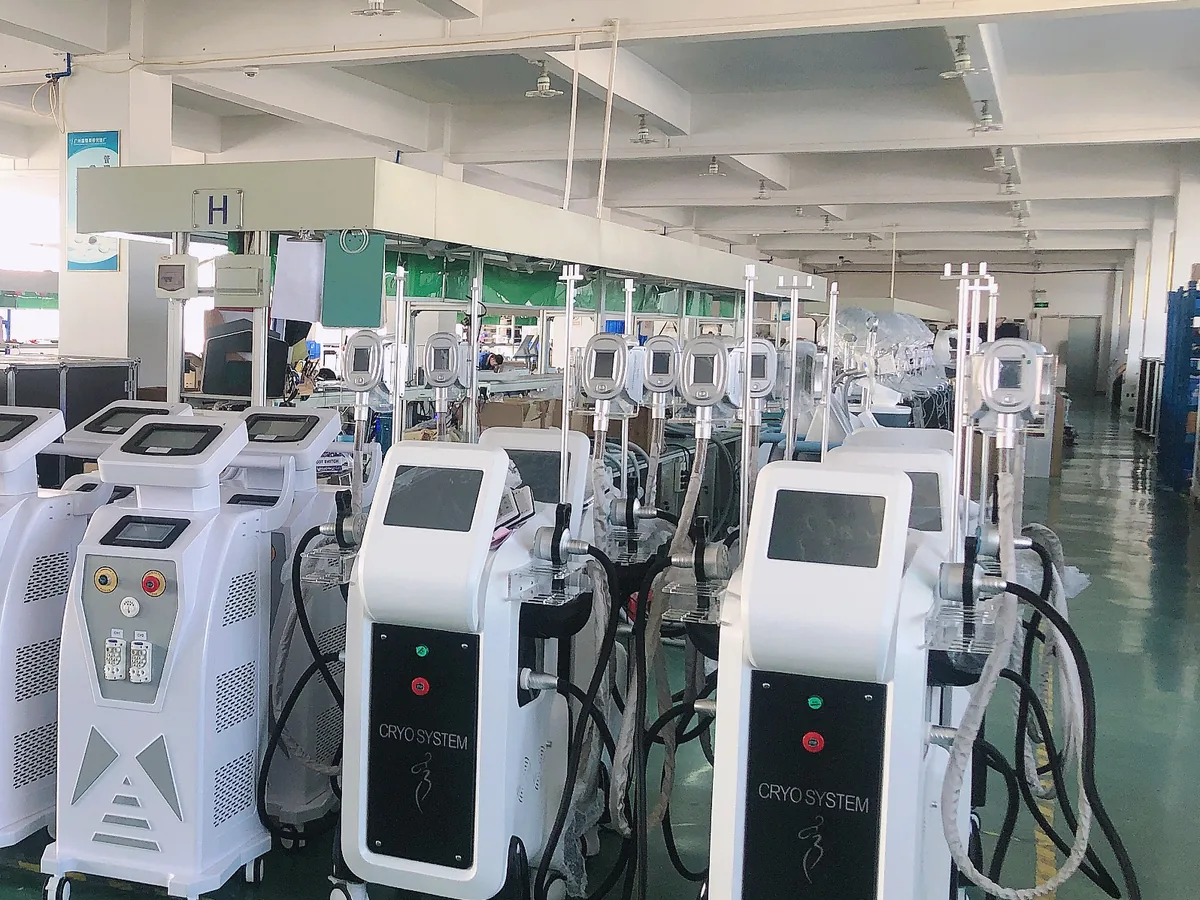
Before ordering, distributors should agree on five items for each exact model: the local spare-parts plan, training deliverables, fault-evidence format, escalation contacts and warranty boundaries. Document these in the quotation or support file and review them whenever the configuration changes.
1. Define the service plan before launch
After-sales support is not one promise such as “24-hour service.” It is a chain of responsibilities. The end user reports a problem, the distributor checks installation and operation, the manufacturer reviews evidence, and the correct part or procedure is confirmed. If any step is unclear, response time becomes difficult to control.
Start with the exact model and configuration. Record the voltage, plug, software language, handles, working heads, accessories and serial information. A support file for one configuration should not be assumed to cover another machine simply because the housings look similar.
2. Build a spare-parts list by risk, not guesswork
A generic box of spare parts is rarely an efficient plan. Classify parts by replacement frequency, operational impact and replenishment time. Then adjust stock as the installed base grows and real service records become available.
| Part group | Planning purpose | Distributor action |
|---|---|---|
| Consumables and wear items | Routine use or scheduled replacement | Forecast by customer usage and keep separate from warranty stock. |
| Frequently replaced service parts | Restore common functions quickly | Confirm exact compatibility and basic replacement training. |
| Low-frequency critical parts | Reduce downtime when a major fault is confirmed | Balance unit value, failure history and international delivery time. |
| Model-specific tools or connectors | Support safe diagnosis and replacement | Label and store them with the corresponding model records. |
Ask the supplier which parts are consumables, which are covered by warranty, which can be replaced locally, and which require engineer confirmation. Do not replace a part only because two connectors appear similar. Compatibility must be confirmed against the exact model and version.
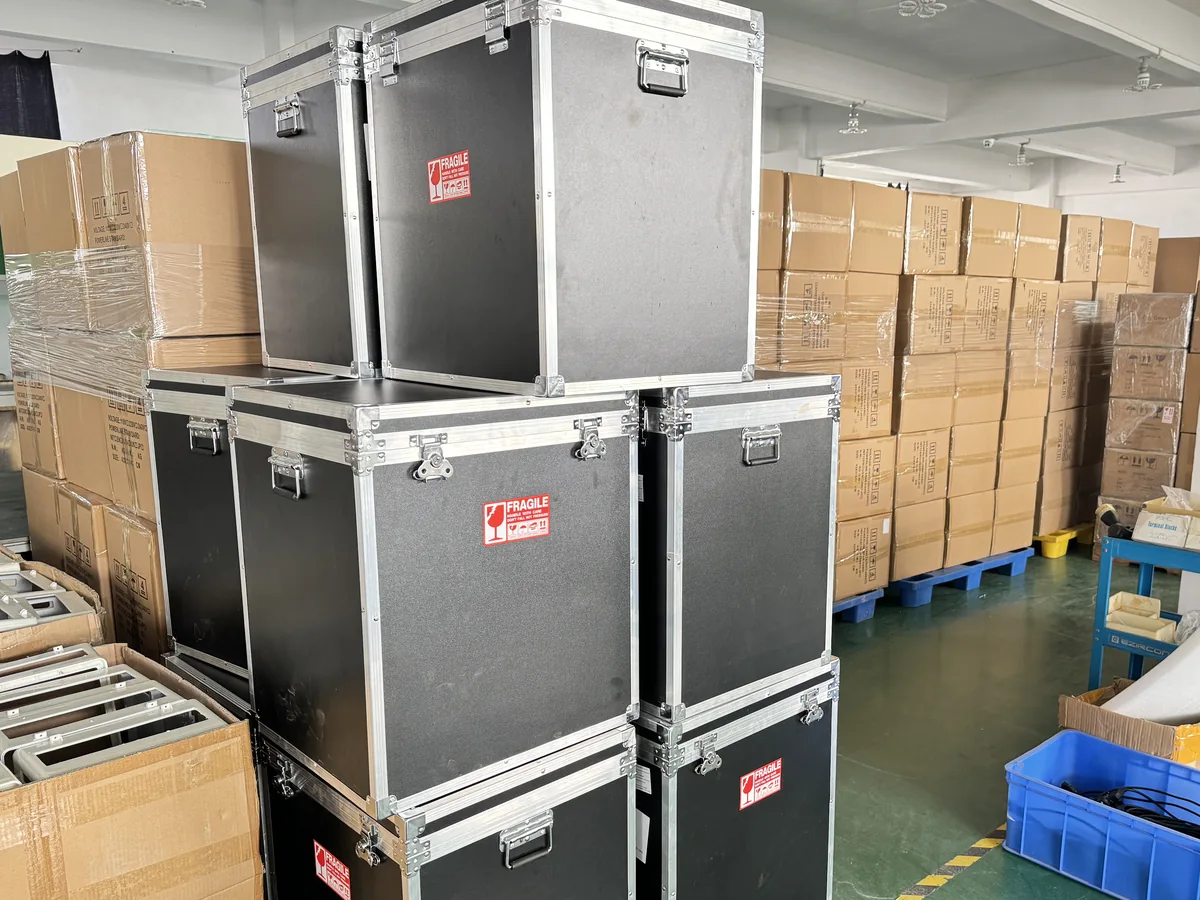
3. Design training for operators and service staff
Sales training, operator training and technical-service training solve different problems. A distributor may need all three, but the content and audience should be separated.
- Product orientation: model identity, included configuration, intended buyer profile and quotation-dependent options.
- Operator onboarding: installation checks, interface navigation, handpiece or working-head identification, routine cleaning and shutdown procedures.
- First-line troubleshooting: how to record error information, inspect external connections and distinguish an operation question from a suspected hardware issue.
- Service coordination: how to open a case, protect customer information, label evidence and confirm a replacement before installation.
FQBeauty can provide English manuals, operation videos, online training and video training. Confirm the deliverables for the selected model in writing. If a distributor needs localized materials or private-label manuals, define the language, branding, approval version and delivery date as part of the OEM discussion.
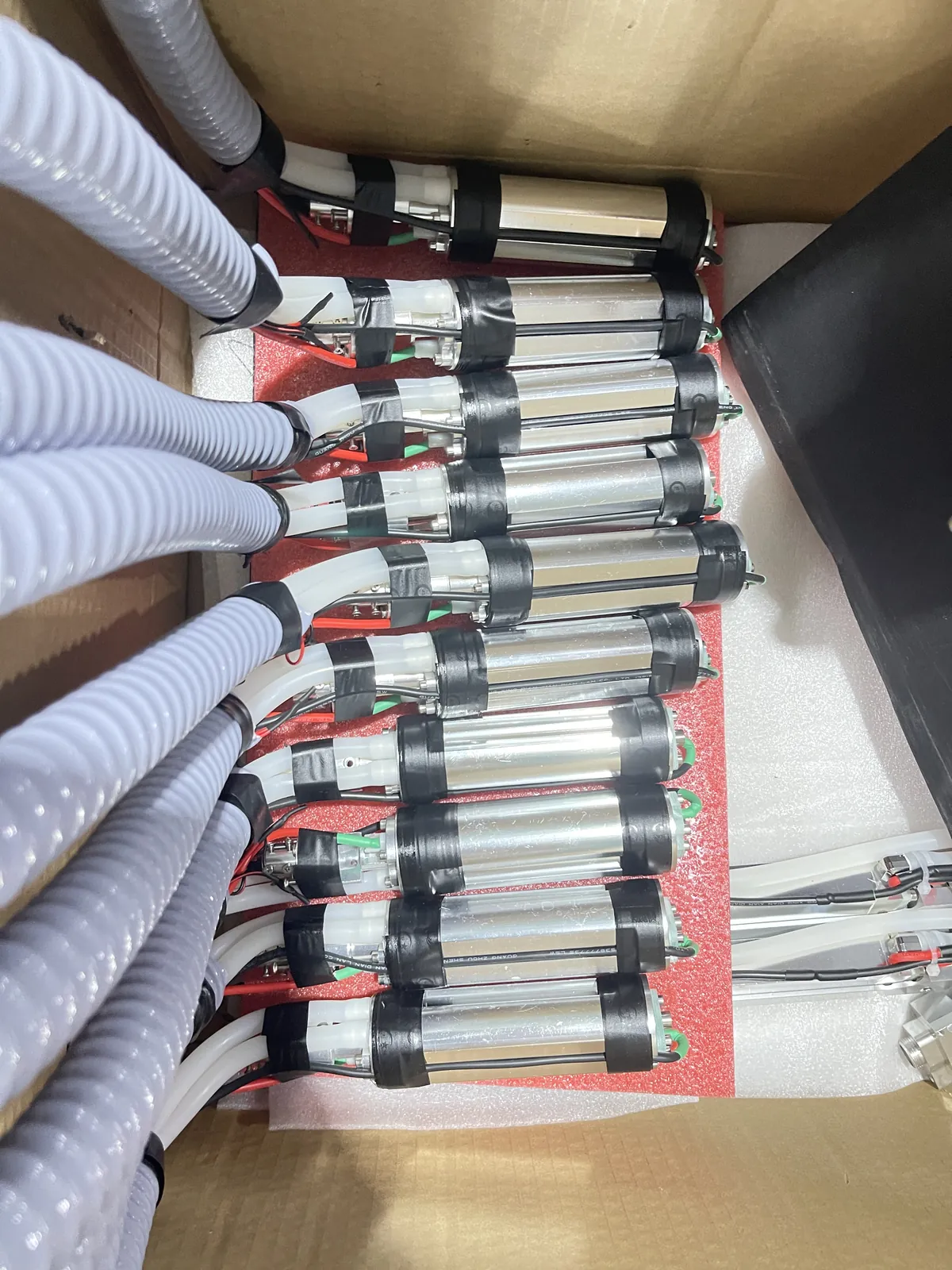
4. Standardize the evidence sent with every fault report
A message that says “the machine does not work” gives an engineer very little to evaluate. A structured case can reduce repeated questions and help both sides protect the service record.
- Identify the exact model and serial or order reference.
- Describe when the issue started and whether it is continuous or intermittent.
- Provide a full-machine photo and clear photos of the screen, error code and relevant connections.
- Record a short video that shows startup, the problem behavior and any sound or screen change.
- List the checks already completed and note any recent transport, installation or configuration change.
- Wait for confirmation before opening the machine or replacing a part that requires technical approval.
Customer names, phone numbers, addresses, labels and other private information should be removed from evidence that is not needed for diagnosis. The distributor should keep the original case record and link every replacement shipment to that case.
5. Set a clear escalation and warranty path
Decide who receives the first report, who performs local checks, who approves replacement parts and who updates the end customer. Add backup contacts so a case does not stop when one person is unavailable.
Under current FQBeauty standard terms, the main machine warranty is normally 12 months, handles are normally covered for three months, and consumables are excluded. An approved in-warranty replacement can be free when the part can be returned to China and the case is approved. Approved warranty shipping cost is normally shared equally by buyer and seller. Out-of-warranty parts are charged at parts cost. The final quotation, warranty document and evidence review control each case.
FQBeauty engineers normally respond within six to eight hours after sufficient case information is received. Treat this as an initial technical-response target, not a guaranteed repair time: final resolution depends on diagnosis, part availability, shipping and the distributor’s local follow-up.
6. Measure the support process
A distributor can improve after-sales operations by tracking a small set of practical indicators. Useful measures include time to acknowledge a case, time to collect complete evidence, first diagnosis, repeat questions caused by missing information, parts shipped, delivery time and confirmed closure.
Review recurring issues by exact model and configuration. This can reveal training gaps, unclear instructions, packing risks or parts that should be stocked locally. Do not turn isolated reports into public failure-rate claims unless the dataset, installed base and calculation method are complete.
Distributor after-sales checklist
| Before ordering | Before customer delivery | When a case occurs |
|---|---|---|
| Confirm model, configuration, warranty and parts boundaries. | Save the approved manual, videos and configuration record. | Open one case with model, evidence and timeline. |
| Agree on training format and service contacts. | Train operator and first-line support roles separately. | Protect customer data and avoid unapproved repairs. |
| Build an initial model-specific spare-parts list. | Label local stock and record compatible versions. | Link diagnosis, approval, shipment and closure. |
| Confirm replenishment and international shipping options. | Test accessories and retain delivery evidence. | Update the service history after resolution. |
Frequently asked questions
Which beauty machine spare parts should a distributor stock?
Stocking should be based on the exact model, installed base, service history and local delivery time. Separate consumables, frequently replaced parts and low-frequency critical parts instead of buying a generic kit.
What evidence should be sent when a machine has a fault?
Send the model and serial information, a full-machine photo, screen or error-code photo, connection photos, a short video showing the problem, and a list of checks already completed.
What training is available from FQBeauty?
English manuals, operation videos, online training and video training are available. The exact training package should be confirmed for the selected model and order.
What are FQBeauty’s standard warranty periods?
The main machine warranty is normally 12 months, handles are normally covered for three months, and consumables are excluded, subject to the final quotation, warranty terms and case approval.