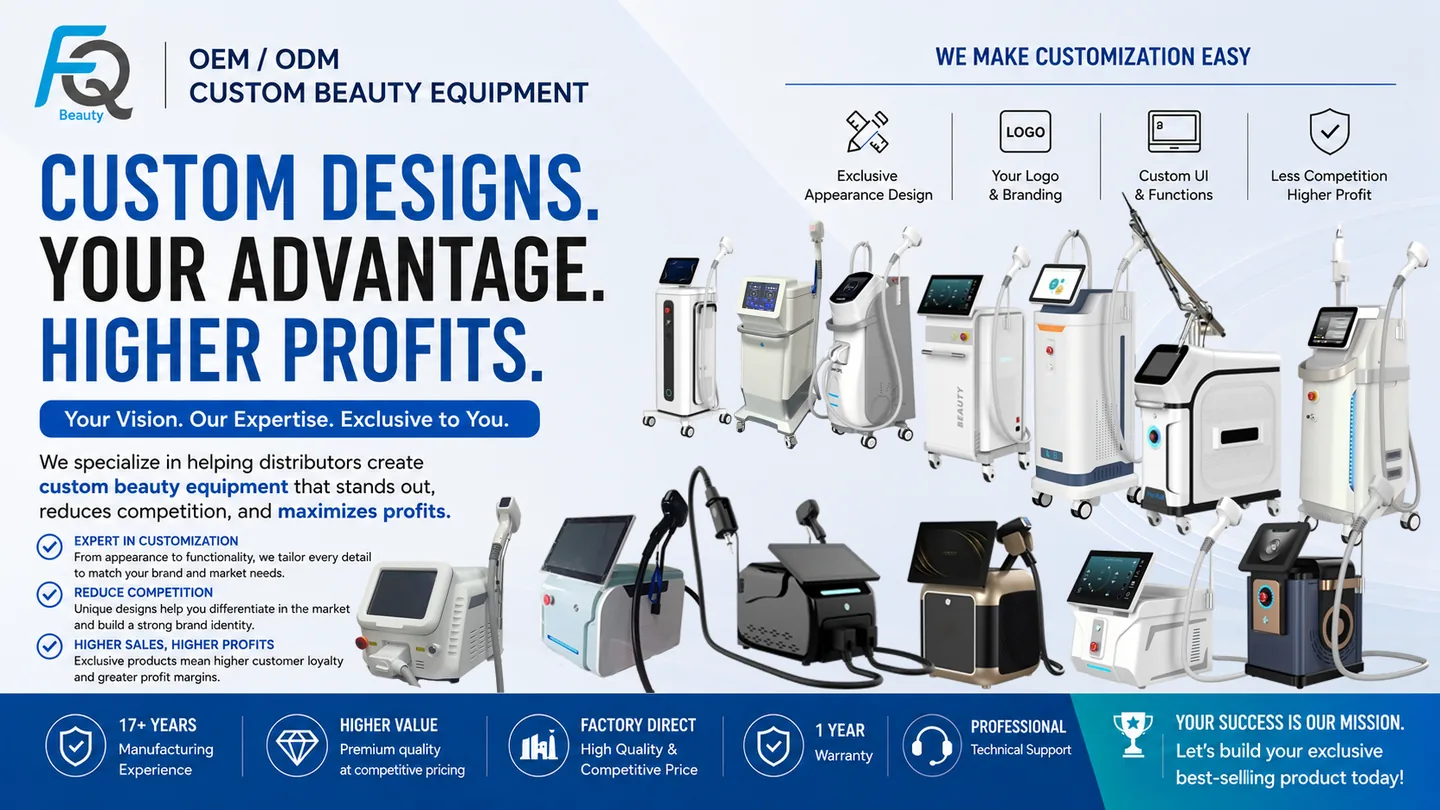
Customization is most reliable when a distributor first confirms one published beauty machine model, then treats logo, housing, startup interface, language, manuals and packaging as separate approval items. The quotation and proforma invoice should state which items are included, how they are applied and what still needs confirmation.
1. Start with the base model—not the artwork
An OEM or ODM discussion becomes difficult when branding starts before the buyer and supplier agree on the actual machine. The base model establishes the working heads, cabinet format, interface hardware, available accessories and packing approach. A logo mockup is not proof that every visual request is compatible with every machine.
Begin with a published FQBeauty product or a clearly identified product category. Then record the model number, target market, preferred quantity, voltage, plug, included accessories and required operating language. This separates a supported configuration from a design idea that still needs engineering or sales confirmation.
2. A logo is a production detail, not just a file upload
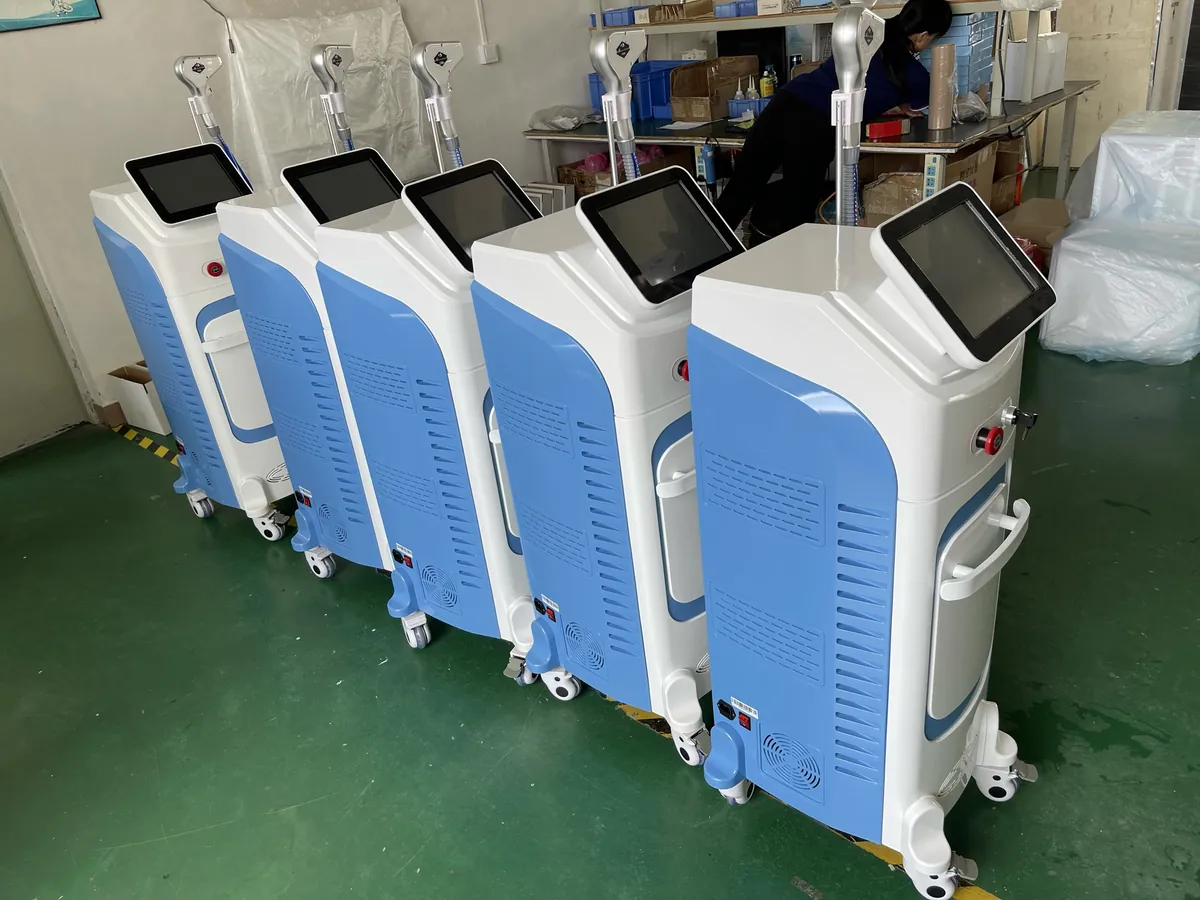
A Custom Logo Beauty Machine can use more than one visible brand location. The useful question is which method fits the selected model and where the buyer wants the brand to appear. FQBeauty can discuss sticker, silk-screen printing and startup-interface branding; nameplate requirements are confirmed by model.
| Branding location | What the buyer should define | What must be confirmed |
|---|---|---|
| Cabinet logo | Vector artwork, placement, size and preferred finish. | Compatible surface, logo method, quantity and any process requirement. |
| Startup interface | Brand name, logo file and the required display language. | Model compatibility, artwork format and the approved screen content. |
| Nameplate or label | Brand details and any destination-market information the buyer supplies. | Model-specific nameplate position and the final compliant wording. |
| Manual and carton artwork | Approved brand, language and print-ready files. | Scope, print method, quantity and the final order documents. |
Keep a single approved logo file and version date with the order record. If branding is revised after a mockup, the buyer should confirm the updated artwork in writing before the production stage begins.
3. Separate a housing color choice from an appearance-design project
These requests are related but not interchangeable. A housing color choice applies to a known cabinet format. An exclusive appearance request may involve a broader cabinet or handpiece design direction, so it needs a defined scope instead of a vague instruction such as “make it different.”
FQBeauty normally discusses machine shell color from 10 units. Selected exclusive appearance designs are commonly discussed from 5 or 10 units depending on the design. These are planning references, not a universal promise: the selected model, design, quantity and quotation determine what can be supplied.
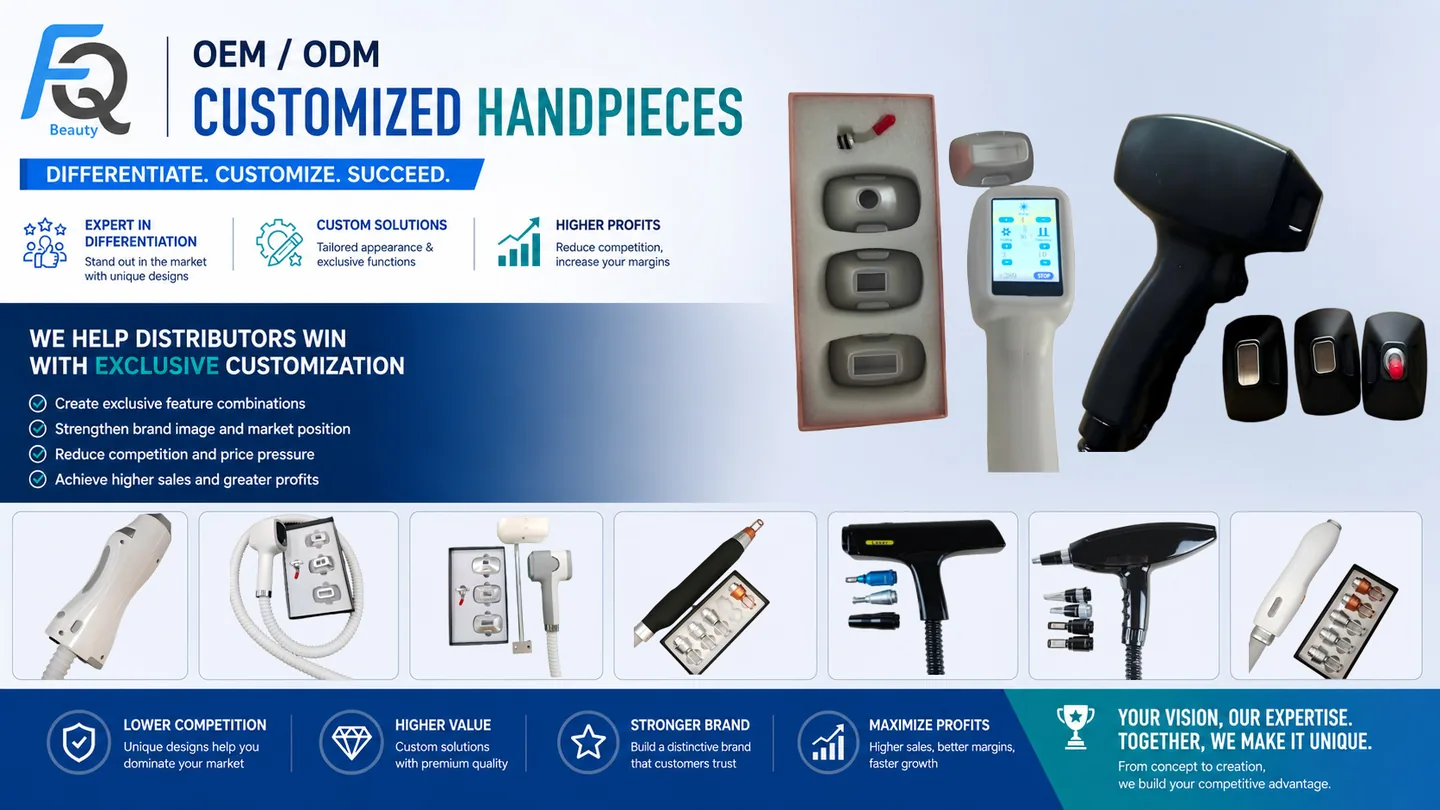
For a more distinctive proposal, share the target customer, product category, desired brand position and any non-negotiable visual elements. The supplier can then confirm whether the request is a color, logo, handpiece, cabinet or broader appearance-design question.
4. Define the startup-interface and software-language boundary
Startup-interface branding and software language are useful brand-touchpoint discussions, especially when a distributor needs a consistent customer-facing presentation. FQBeauty normally discusses machine color, startup interface and software language from 10 units; standard startup-interface branding is normally without an extra charge, subject to the model, quantity, artwork and order confirmation.
Do not treat a branding request as permission to change product functions, clinical settings, safety controls or unverified technical claims. If the requirement affects how the machine works, state it separately and ask for model-specific confirmation. This distinction keeps the buyer’s artwork brief clear and avoids placing unsupported promises in a manual or interface.
5. Prepare manuals, packaging and the customer handover
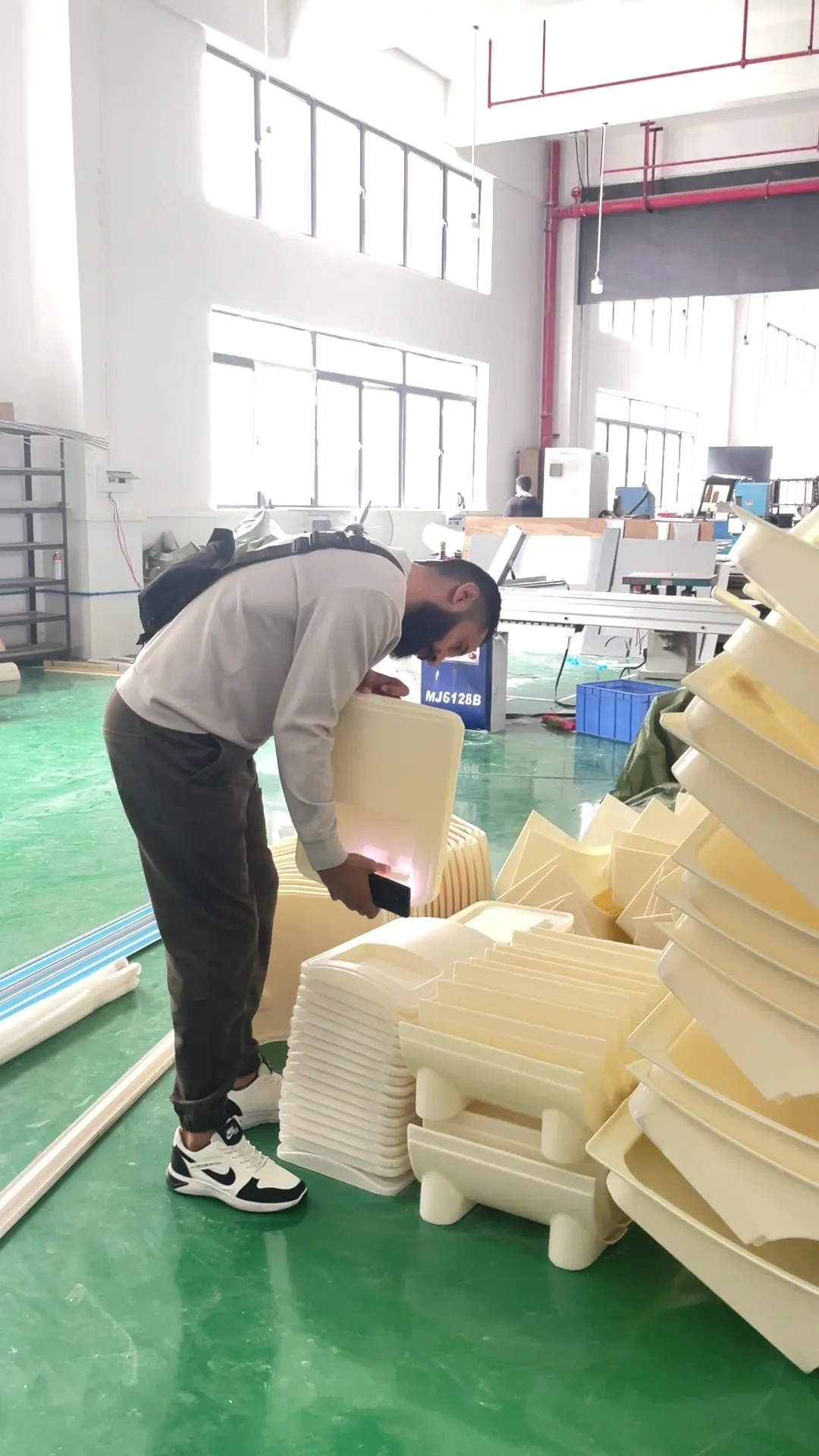
Branding is stronger when the customer receives consistent materials after the machine arrives. Manual language and branding can be discussed with sales. A packaging logo normally starts from 50 units, while simple requests may be negotiable at a lower quantity. Confirm the actual requirement in the model quotation before making a promise to your market.
For distributor readiness, request the final product name, approved manual language, operation materials, packing information and the support contact flow with the order. FQBeauty provides English manuals, operation videos, online guidance and video training; the exact materials should match the confirmed product configuration. See the after-sales planning guide for the training, fault-evidence and service questions to keep with a product launch.
6. Use a written approval flow before production
- Confirm the base model: identify the model, configuration, accessories, voltage and intended market.
- Separate the brand items: list logo placement, housing color, handpiece or cabinet direction, startup screen, language, manual and packaging as individual requests.
- Supply usable files: provide vector logo artwork, color references, approved text and language requirements.
- Review the response: verify the supplier’s mockup or written scope against the exact model and quantity.
- Record the final agreement: confirm the scope, quantity, fees, production timing, packing and support details in the quotation and proforma invoice.
- Keep one order file: store the approved artwork and order version so post-shipment support can identify what was supplied.
OEM Beauty Machine brief: what to send before requesting a quote
Use this brief with the FQBeauty OEM/ODM page and the supplier-verification guide. The combination gives a buyer a clear way to define the customization, verify responsibilities and request a model-specific answer.
Frequently asked questions
Can a beauty machine sample carry my logo?
A standard machine can begin from one unit, but physical logo methods, cabinet color and packaging can have separate quantity or process requirements. Confirm the exact model, logo method, artwork and quantity with sales before ordering.
What is the difference between a housing color change and an exclusive appearance design?
A housing color is one defined visual option. An exclusive appearance design can involve a broader cabinet or handpiece design scope. Both are model- and quotation-specific; FQBeauty normally discusses color from 10 units and exclusive appearance from 5 or 10 units depending on the design.
Can the startup interface and software language be customized?
Startup-interface branding and software language can normally be discussed from 10 units, subject to the model, artwork and order confirmation. Buyers should separately confirm any request that affects machine functions, configuration or safety-related settings.
Can an OEM order be changed after production starts?
No. Once the proforma invoice is confirmed and customized production has started, made-to-order or customized products cannot be cancelled or changed.